Anytone is a professional walkie talkie supplier specialized in dmr radio and handheld two way radio since 1993.
Language
Ham radio has been a cornerstone of communication for over a century, enabling connections across vast distances, even without the internet. Think of astronauts talking to Earth or ships staying in touch while at sea. Pretty cool, right?
This article demystifies the technology behind ham radios, exploring how they transmit signals and the various types available. We'll also touch on licensing and some of the exciting activities ham radio offers.
Radio waves are the silent carriers of wireless communication, enabling data transmission across vast distances without physical connections. These electromagnetic waves, a fundamental component of the electromagnetic spectrum, are the driving force behind a wide array of technologies, from radio and television broadcasting to satellite communication and cellular networks.
Think of radio waves as ripples in a pond. Just as a pebble creates disturbances that propagate outward, radio waves travel as disturbances in the electromagnetic field. These disturbances originate from the oscillation of electrons within an antenna, carrying encoded information.
Here's a breakdown of the key principles:
● Electromagnetic properties: Radio waves, like light and X-rays, are part of the electromagnetic spectrum. They are characterized by their frequency and wavelength, which determine their unique properties and applications.
● Generation: Radio waves are generated by the controlled movement of electrons within a transmitting antenna. This oscillation produces disturbances in the electromagnetic field that propagate outward.
● Modulation: Modulation techniques embed information, such as voice or data, into the radio wave. Common methods include Amplitude Modulation (AM), which varies the wave's amplitude, and Frequency Modulation (FM), which alters its frequency.
● Frequency spectrum: Radio waves occupy a broad range of frequencies with specific characteristics and applications. Lower frequencies with longer wavelengths are suitable for long-distance communication, while higher frequencies with shorter wavelengths offer greater bandwidth for transmitting complex data.
A ham radio might seem like a mysterious box of electronics, but it's just a combination of several key components working together. Understanding these parts and their functions is crucial for effectively operating and troubleshooting your ham radio setup.
The transceiver is the central component of a ham radio station. It combines a transmitter and a receiver, allowing you to both send and receive radio signals. Think of it as the engine of your communication system.
Ham radios require a power source to operate. This can range from batteries for portable units to AC power supplies for base stations. The power supply provides the necessary electrical energy to drive the transceiver and other components.
The microphone converts your voice into electrical signals that modulate the radio waves. Different types of microphones exist, each with its own characteristics and applications.
The speaker converts the received electrical signals back into audible sound, allowing you to hear the transmissions from other stations.
Beyond these core components, various accessories can enhance your ham radio experience. These include:
● Antenna tuner: Optimizes the antenna's performance for different frequencies.
● Computer interface: Connects your radio to a computer for digital modes and logging.
● External amplifier: Boosts the power of your transmitted signal.
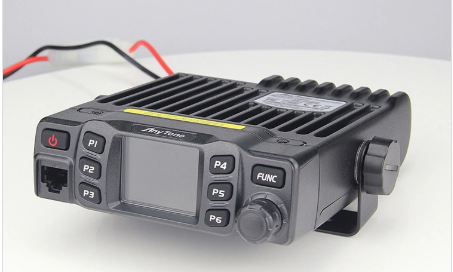
Ham radios come in a fascinating array of shapes and sizes, each tailored to specific needs and preferences. Whether you're a casual hobbyist or a dedicated enthusiast, there's a perfect ham radio out there waiting for you.
Handheld transceivers, or "handie-talkies," are compact and portable, ideal for on-the-go communication. Best handheld ham radio is perfect for outdoor activities, emergencies, and casual use.
Pros:
● Portability and convenience
● Battery-powered operation
● Affordable entry point
Cons:
● Limited power and range
● Smaller displays and controls
Mobile transceivers are designed for use in vehicles, providing greater power and range than handhelds. Mobile ham radio is popular among commuters, travelers, and those who enjoy communicating while on the move.
Pros:
● Increased power and range
● Larger displays and controls
● Vehicle-powered operation
Cons:
● Requires installation in a vehicle
● Less portable than handhelds
Pros:
● Maximum power and range
● Advanced features and capabilities
● Comfortable operating environment
Cons:
● Requires dedicated space and installation
● Higher cost
SDRs represent a revolutionary approach to radio communication. They utilize software to process radio signals, offering incredible flexibility and versatility.
Pros:
● Wide frequency coverage
● Multiple modulation modes
● Computer-based control and interface
Cons:
● Requires a computer and software
● Steeper learning curve
Ham radio operates within a framework of licensing and regulations to ensure responsible use of the airwaves. While it might seem daunting at first, the process is straightforward and the rewards are well worth it.
● Preventing Interference: Licensing helps prevent chaos on the airwaves by assigning specific frequencies and operating procedures.
● Ensuring Technical Competence: Exams ensure operators have the technical knowledge to operate their equipment safely and effectively.
● Promoting Responsible Use: Regulations promote ethical behavior and discourage harmful interference with other radio services.
The licensing process typically involves passing an exam administered by your country's telecommunications regulator. In the United States, this is the Federal Communications Commission (FCC).
Exams cover topics like:
● Radio theory: Understanding basic electronics and radio wave propagation.
● Regulations: Knowing the rules governing ham radio operation.
● Operating procedures: Properly using ham radio equipment and protocols.
There are different classes of ham radio licenses, each with its privileges and frequency allocations. As you progress through the classes, you gain access to more frequencies and operating modes.
Once licensed, you'll receive a unique call sign. This is your identifier on the airwaves, similar to a license plate for your car.
Don't let the licensing process intimidate you. It's a manageable hurdle that opens the door to a world of exciting communication possibilities.
Ham radio is more than just chatting with folks across town. It's a gateway to a world of exciting activities and challenges, offering something for everyone.
● DXing: Contacting distant stations, even across continents and oceans. Think of it as a global scavenger hunt!
● Contesting: Participating in competitive events to contact as many stations as possible within a given timeframe.
● Nets: Joining organized on-air meetings with other hams to discuss specific topics or practice operating procedures.
● Emergency Communication: Providing vital communication support during disasters and emergencies when traditional infrastructure fails.
● Public Service Events: Volunteering your communication skills at marathons, parades, and other community gatherings.
● Building Antennas: Designing and constructing your own antennas to optimize your station's performance.
● Digital Modes: Exploring digital communication methods like packet radio, PSK31, and FT8.
● Satellite Communication: Contacting satellites orbiting the Earth.
● Local Clubs: Connecting with fellow hams in your area for camaraderie, learning, and support.
● Online Forums: Engaging in discussions, sharing knowledge, and seeking advice from the global ham radio community.
Ham radio is more than just a hobby; it's a community, a service, and a gateway to endless learning and exploration. Whether you're interested in connecting with people across the globe, providing emergency communication support, or simply experimenting with electronics, there's something for everyone in the world of ham radio.
Ready to take the next step? Check out our comprehensive guide to getting started with ham radio and embark on your journey into the fascinating world of amateur radio!
Contact Anytone
 +86-595-2265 6926
 Qixiang Building, Tangxi Industrial Zone, Luojiang District, Quanzhou City, Fujian Province, China

Our products are exported to more than 65 countries, The company‘s own brand AnyTone was registered in China, United States, Europe, Russia, Taiwan... Importers and distributors for AnyTone all over the world.
Copyright © 2026 - anytone.net All Rights Reserved.


